Understanding A/c: Common Troubles of Air Conditioner Systems and Their Solutions
HVAC systems play an important role in maintaining indoor comfort. However, a/c units frequently run into typical issues that can hinder their efficiency. Problems like insufficient cooling, unusual noises, and regular cycling can suggest deeper mechanical concerns. In addition, water leaks and unpleasant smells can jeopardize air quality. Recognizing these challenges and their remedies is essential for effective maintenance. What steps can homeowners take to guarantee their air conditioning units operate efficiently?
Inadequate Air Conditioning Performance
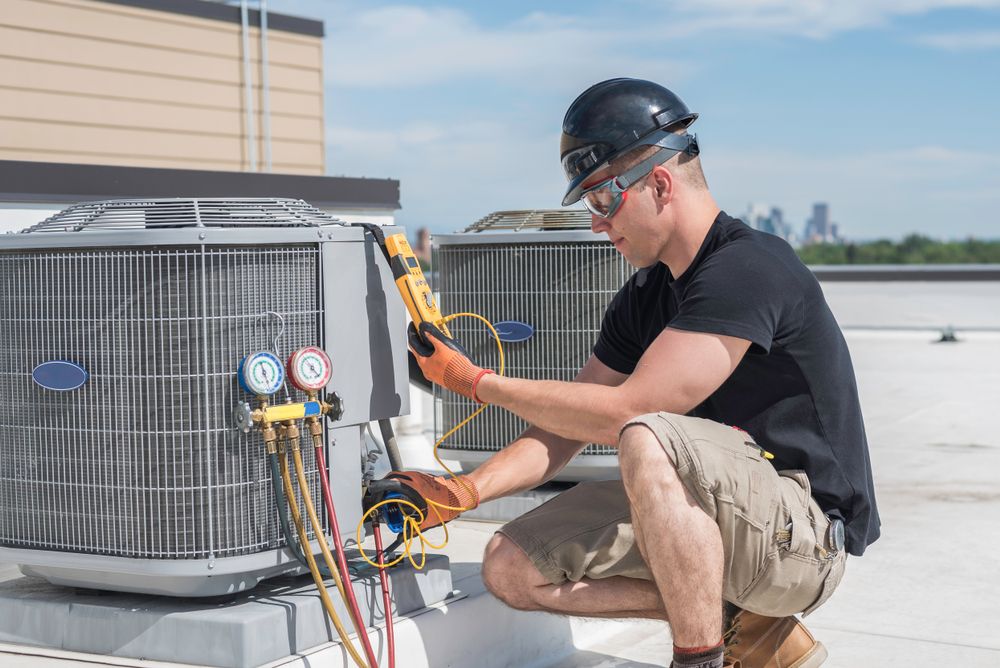
What triggers inadequate air conditioning performance in a heating and cooling system? A number of variables can add to this concern. A common cause is an unclean air filter, which restricts air flow and minimizes cooling down effectiveness. Furthermore, low refrigerant degrees as a result of leakages can impede the system's capacity to soak up warm efficiently. An additional possible problem may develop from a malfunctioning thermostat, bring about wrong temperature readings and improper air conditioning cycles. Obstructed or dirty condenser coils can additionally stop heat dissipation, further influencing performance. Finally, ductwork concerns, such as leakages or obstructions, can lead to irregular air conditioning throughout an area. Recognizing these problems promptly is essential for preserving optimal cooling and heating function and making certain a comfy indoor environment. Routine maintenance and inspections can assist mitigate these issues and boost the system's general effectiveness.
Uncommon Sounds Coming From the AC Unit
A variety of uncommon noises coming from an a/c system can indicate underlying issues that require focus. Common noises consist of rattling, which might recommend loosened elements or particles within the device. Hissing sounds frequently direct to refrigerant leakages, jeopardizing the system's performance. A grinding noise can show worn-out bearings or motor problems, while a high-pitched screech may indicate a trouble with the compressor or a slipping belt.
Each of these noises acts as an indication that something may be wrong, potentially leading to more considerable damage if not attended to without delay. Property owners must avoid overlooking these auditory cues and consider seeking advice from a qualified heating and cooling service technician for medical diagnosis and fixing. Timely intervention can not just recover performance however also expand the life-span of the unit. air conditioner repair. Identifying these sounds as indications of problem is essential for maintaining peak cooling efficiency
Constant Cycling On and Off
Constant cycling on and off can indicate ineffectiveness or breakdowns within a HVAC system, usually referred to as short-cycling. This condition can cause raised power usage and might create unnecessary endure the device's elements. A number of factors can add to this issue, including a poorly sized air conditioning unit, a malfunctioning thermostat, or filthy air filters. When an AC device is also large for the room, it cools down also swiftly, triggering it to cycle frequently without sufficiently evaporating the air. If the thermostat is damaged, it may incorrectly signify the unit to turn on and off. Furthermore, blocked or dirty air filters can limit airflow, triggering the system to function more challenging and cycle more frequently. Dealing with these concerns promptly is necessary to enhance effectiveness, lengthen the life expectancy of the cooling and heating system, and keep ideal interior comfort.
Water Leakages and Water Drainage Issues
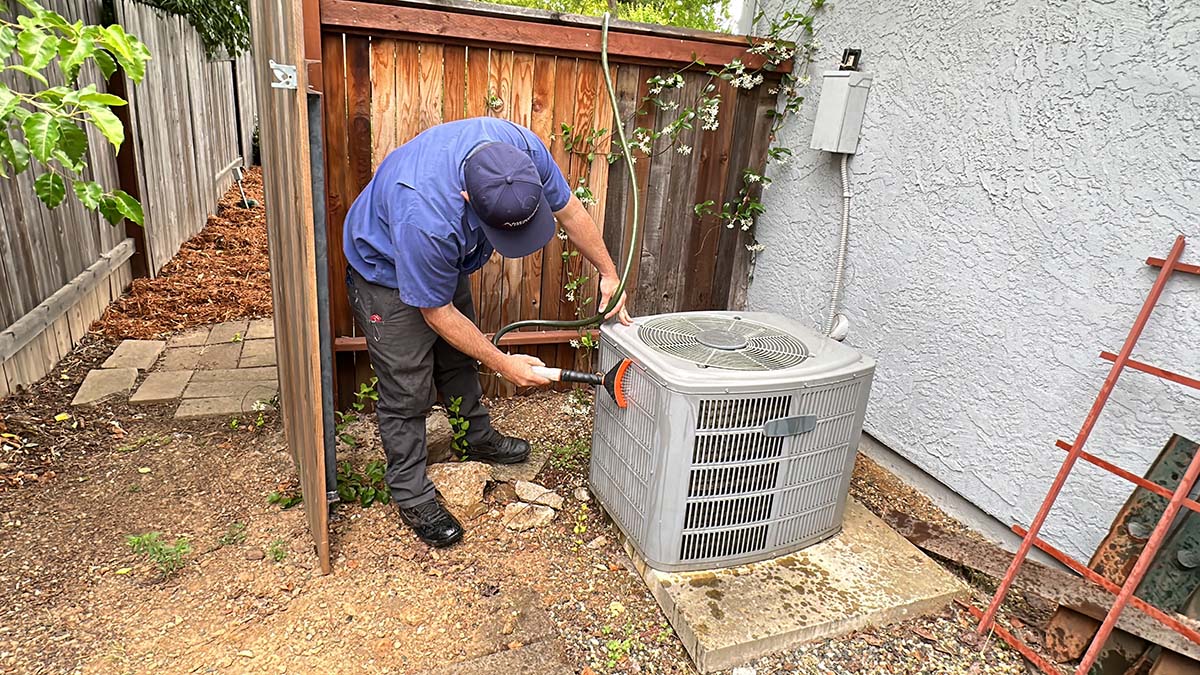
Water leakages and drainage concerns can position substantial difficulties for cooling and heating heating in air conditioning systems, causing prospective damages and inefficiencies. These issues commonly come from clogged condensate drains, which avoid water from draining pipes properly and can result in overflow. Additionally, damaged drainpipe frying pans or inappropriate installation may worsen these leakages, creating water to build up in undesired areas.
Regular upkeep is necessary to avoid such concerns; making sure that condensate lines are clear and drain pans are intact can mitigate the danger of leakages. Home owners ought to consistently inspect for indications of wetness around the device, as learn the facts here now early discovery can avoid more extensive damages. In instances where leakages are recognized, prompt activity is required, which may consist of clearing obstructions or changing defective components. Dealing with water leakages and water drainage issues not only safeguards the a/c system but additionally maintains interior air high quality and convenience.
Bad Odors and Air High Quality Worries
Bad smells emanating from a/c systems can suggest severe air quality issues. Typical resources of these unpleasant smells include mold, mold, or germs development in the ductwork, typically because of moisture buildup. If the system has an unpleasant, moldy odor, it may indicate that the air filters are obstructed or that there is not enough ventilation, allowing pollutants to flow. Furthermore, a burning smell may suggest electrical problems or overheating parts, requiring prompt interest.
House owners ought to frequently change air filters and schedule routine upkeep to guarantee peak air high quality. Utilizing an air purifier can likewise aid eliminate odors and improve indoor air quality. If odors linger in spite of these measures, expert inspection and cleansing might be required to recognize and solve underlying problems. ac fix. Awareness of these odors is important, as they can impact wellness and comfort in interior settings

Often Asked Questions
Just how Commonly Should I Set Up A/c Maintenance?
It is advised to set up air conditioner upkeep at least annually, ideally before the air conditioning period starts. Regular assessments can help identify problems early, making certain effective operation and lengthening the lifespan of the system.
What Is the Ordinary Lifespan of an A/c System?
The average lifespan of an air conditioner unit normally varies from 15 to 20 years. Elements such as upkeep, usage patterns, and environmental conditions can significantly affect this air conditioning service duration, impacting overall performance and performance over time.
How Do I Choose the Right Dimension Air Conditioner Unit for My Home?
What Are the Indications My A/c Device Demands Substitute?
Can I Set Up an A/c System Myself?
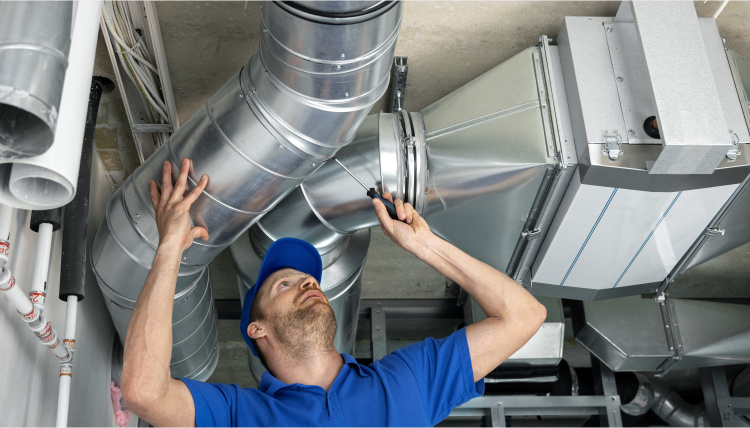
While setting up an AC system oneself is feasible, it calls for technical understanding and correct tools. AC repairman. Many people may face obstacles with installation, possibly leading to ineffectiveness or safety risks, making professional assistance suggested for suitable results
Final thought
In summary, comprehending common HVAC issues and their options is essential for preserving effective AC system performance. Resolving problems such as poor air conditioning, unusual noises, regular biking, water leakages, and undesirable smells can considerably improve indoor comfort and air quality. Regular upkeep, consisting of filter changes and timely repairs, plays a considerable duty in avoiding these troubles. By remaining positive, home owners can ensure their a/c systems run successfully, ultimately extending the life expectancy of their a/c systems.
Comments on “Why you should schedule seasonal service with an HVAC contractor”